Coffee First Mom Later SVG: An Embroidery Review
As a professional embroidery designer and product reviewer, I approach every new digital asset with a critical eye. When evaluating the Coffee First Mom Later Svg, my primary concern is not just how the graphic looks on a screen, but how it translates into thread on fabric. This design falls squarely within the popular intersection of relatable parenting humor and coffee culture, making it a high-potential candidate for custom apparel and personalized gifts. However, moving from a vector graphic to a tangible embroidered patch or sweatshirt requires careful technical consideration. In this review, I will break down exactly how this design performs in real-world production scenarios for Etsy sellers, craft business owners, and hobbyists.
Translating Vector Typography to Thread
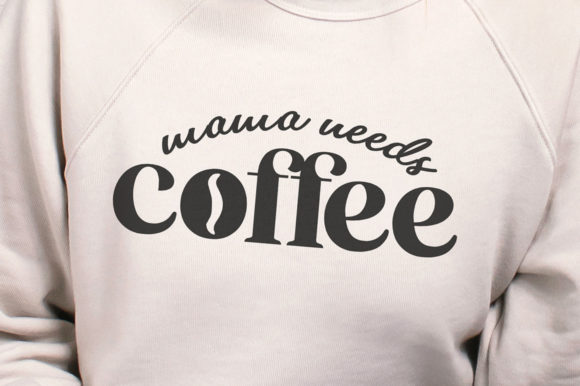
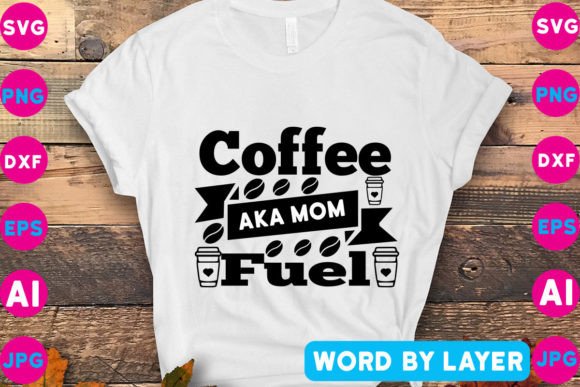
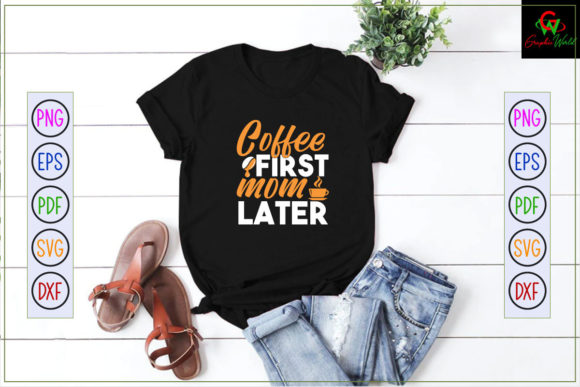
The first impression of the Coffee First Mom Later Svg is one of playful prioritization. The typography typically features a mix of bold sans-serif or vintage-style lettering that conveys a lighthearted, slightly exhausted, but loving mood. For an embroidery project, this visual personality is excellent because it connects instantly with the target demographic. However, as a digitizer, I immediately look at the stroke width and spacing. Vectors are infinitely scalable; stitches are not.
When preparing this as a machine embroidery design, you must assess whether the original lines are thick enough to support a satin stitch without becoming too dense. If the source file has very thin decorative elements, they may need to be converted to a running stitch or thickened slightly to prevent needle breaks or thread shredding. The phrase "Coffee First" often serves as the visual anchor, while "Mom Later" acts as the secondary element. In embroidery, balancing these two text blocks is crucial for stitch density management. You want to avoid a design that feels top-heavy or causes the fabric to pucker around the heavier lettering.
Real-World Application: The Mom Tote Bag Test
To truly evaluate this design, I mentally placed it in a specific production scenario: creating a canvas tote bag design for a Mother’s Day boutique collection. Tote bags are a staple handmade product, but canvas texture can be unforgiving. In this real-life application, the Coffee First Mom Later Svg needs to be legible from a distance while maintaining a soft hand-feel so the bag remains functional.
For this project, I would recommend treating the design as a potential applique design rather than full fill stitch. Using fabric scraps for the words "Coffee" and "Mom" significantly reduces stitch density, preventing the canvas from becoming stiff and bulletproof. If you prefer traditional stitching, a vintage-inspired fill stitch with a textured pattern works better than a flat tatami fill, as it mimics the fabric's weave and hides imperfections in the canvas. This approach elevates the finished product from a basic craft fair item to a premium boutique piece that customers trust and value.
Sweatshirts and Stretchy Fabrics
This design is also a natural fit for sweatshirt embroidery, particularly on crewnecks targeting new moms. Here, the challenge shifts from texture to stretch. Knit fabrics require precise stabilization. When hooping a sweatshirt for this design, always use a cut-away stabilizer rather than tear-away to maintain the integrity of the stitches after washing. The humor in "Coffee First Mom Later Svg" relies on crisp, readable text; if the letters distort due to poor stabilization, the joke lands flat. Ensure your hoop size allows for adequate margin around the design to keep the tension even across the knit surface.
Technical Limitations and Caution Zones
While versatile, this design is not immune to production pitfalls. There are specific contexts where I would advise caution before committing to a run:
- Small Hoop Sizes: If you are attempting to fit this entire phrase into a 4x4 hoop, verify the minimum text height. Letters smaller than 6mm often lose clarity in embroidery. You may need to stack the text vertically or simplify the font to maintain legibility.
- Textured Fabrics: On terry cloth towels or fleece blankets, the fine details of the Coffee First Mom Later Svg can get lost. Always use a water-soluble topping to push the pile down and allow the stitches to sit on top of the fabric surface.
- Curved Surfaces: Placing this linear typography on a structured cap is risky. Unless the design has been specifically digitized with an arc to match the cap's curvature, the straight lines will appear distorted. Stick to flat surfaces like aprons, pillow covers, or shirt fronts unless you have a curved-cap version of the digital embroidery file.
- Dark Fabrics: Remember that this listing is for a digital download intended for sublimation or vinyl as well as embroidery. Dark fabrics require underlay stitches to prevent the fabric color from bleeding through light threads. Check your digitizing software to ensure adequate underlay is present before stitching on navy or black garments.
Commercial Viability for Makers and Sellers
For Etsy sellers and small shop product creators, the commercial appeal of this design lies in its specificity. It targets a niche emotional state that drives impulse purchases. However, professionalism separates successful shops from amateurs. Before listing any commercial embroidery items featuring this design, you must confirm the licensing terms included with your download. Just because a file is available does not automatically grant permission to sell physical goods or digital derivatives.
Furthermore, presentation matters. When creating a printable mockup or listing photo, do not rely solely on digital renders. Customers buying holiday embroidery or personalized mom gifts want to see actual stitch-outs. Photographing the Coffee First Mom Later Svg on a real garment demonstrates that you understand fabric texture and quality control. This builds buyer engagement and reduces return rates caused by unmet expectations regarding size or detail clarity.
Essential Designer Notes for Success
Before you load this embroidery file into your machine, follow this practical checklist to ensure a professional result:
- Test Stitch First: Never run this design directly on a final product without testing on similar scrap fabric. Check for registration issues between the "Coffee" and "Mom Later" elements.
- Verify Thread Colors: The vintage aesthetic often relies on muted tones. Test thread colors against your specific garment shade. Cream thread on white fabric disappears; opt for contrast to ensure readability.
- Check Licensing: Re-read the product description. Confirm whether the license covers design assets for physical products only or if it extends to other uses. Respect intellectual property to protect your business reputation.
- Evaluate Washability: If making baby embroidery or kitchen linens, ensure the stitch type can withstand frequent laundering. Satin stitches can snag; consider a bean stitch or textured fill for high-wear items.
- Mockup Reality Check: Compare your digital preview against a black-and-white test stitch. This reveals true contrast and detail visibility without the distraction of color.
The Coffee First Mom Later Svg is more than just a trendy saying; it is a test of your technical finishing skills. When executed with attention to stabilizer choice, appropriate hoop size, and fabric compatibility, it becomes a high-value asset for any maker's catalog. Whether you are crafting a personalized gift for a friend or stocking your online store with custom apparel, treating this digital file with professional respect ensures the final stitched product honors both the humor of the sentiment and the quality of your craftsmanship.