Leopard Mom Life SVG: A Designer’s Stitch Test
As a professional embroidery designer and product reviewer, I approach every new digital asset with a healthy dose of skepticism. The market is flooded with trendy graphics, but not all of them translate well from a screen to a hoop. When I first opened the Leopard Mom Life Svg, Messy Bun Svg package, I wasn't just looking for a cute aesthetic; I was evaluating its structural integrity for real-world production. This design targets a very specific niche in the Crafts category, blending the ever-popular messy bun motif with leopard print accents. For small business owners and Etsy sellers, this combination is gold, but only if the final stitched product holds up to customer expectations.
First Impressions and Visual Personality
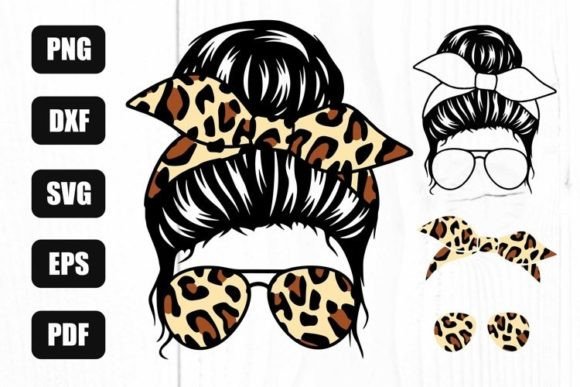
My initial assessment of this Graphics set focused on balance and mood. The "Mom Life" theme can easily veer into chaotic or cluttered territory, but this design maintains a clean, relatable silhouette. The messy bun shape provides a solid anchor point, while the leopard spots add texture without overwhelming the composition. Visually, it strikes the right note between trendy and timeless, which is crucial for inventory that needs to sell beyond a single season.
The inclusion of four distinct variations is a significant advantage for commercial use. As a designer, I appreciate having options that allow me to cater to different client preferences without purchasing multiple listings. Whether a customer wants a bold statement piece or a subtle accent, these variations provide the flexibility needed for a diverse product line. The files are organized logically, making it easy to locate the specific style needed for a current project.
Real-World Application: The Sweatshirt Test
To truly evaluate this machine embroidery design, I mentally mapped it onto a current best-seller in my shop: the heavyweight cotton sweatshirt. This is where the Leopard Mom Life Svg, Messy Bun Svg shines brightest. The design’s layout is naturally suited for center-chest placement or a smaller left-chest logo position. In a real-life scenario, I envision stitching this out in neutral thread colors—creams, tans, and dark browns—to complement the popular beige and sage green apparel trends.
For this application, the design serves as more than just decoration; it acts as an identifier for the wearer. Customers buying custom apparel in this niche are often looking for validation of their busy lifestyle. A well-executed stitch-out on a quality sweatshirt creates an emotional connection that drives sales. I also see strong potential for tote bag design work. The canvas texture of a tote bag pairs beautifully with the organic shapes of the messy bun, and the design size is easily adjustable to fit standard 5x7 hoops without losing detail.
Technical Considerations for Stitching Success
While the vector art is clean, translating it to thread requires careful planning. Leopard print is notoriously tricky in embroidery because it relies on contrast rather than defined outlines. If you are using this as an applique design, ensure your satin stitch border is wide enough to prevent fraying on the leopard fabric. If you are stitching it out entirely as a fill, pay close attention to stitch density. Overly dense leopard spots can cause puckering on lighter fabrics, while sparse stitching might look unfinished.
I strongly advise testing the embroidery file on scrap fabric before committing to a finished product. The four included SVG files are excellent for editing, allowing you to adjust node points if necessary. However, always verify how the design behaves on stretchy knits versus stable wovens. On a ribbed knit sweater, the horizontal lines of the messy bun might distort if the stabilizer isn't adequate. Use a high-quality cut-away stabilizer for garments to maintain the shape of the bun and the integrity of the lettering after washing.
Navigating Fabric Limitations and Hoop Sizes
Not every surface is friendly to this specific artwork. While the Leopard Mom Life Svg, Messy Bun Svg is versatile, I would exercise caution when applying it to highly textured fabrics like terry cloth or fleece. The intricate details of the leopard spots can get lost in the pile, resulting in a muddy appearance. Similarly, be mindful when resizing. Although the description notes you can resize, edit, and change colors, pushing a complex design too small can cause registration issues, especially where the leopard pattern meets the hair outline.
For baby embroidery or items requiring frequent laundering, simplify the design. Reduce the number of color changes and avoid tiny running stitches that might snag. Conversely, for decorative items like pillow covers or wall hangings, you can afford to be more elaborate. Always confirm your hoop size capabilities before starting; some variations may require a larger field than others. Checking the dimensions in your software prevents mid-stitch surprises that can ruin expensive blanks.
Commercial Value and Brand Consistency
For the Etsy seller or craft business owner, consistency is key to building brand trust. Using a cohesive design set like this allows you to create matching collections across different products. Imagine offering a personalized gift set featuring a mom sweatshirt and a matching baby onesie using two different variations from this pack. This cross-selling potential increases average order value and establishes your shop as a go-to source for coordinated family apparel.
The provided PNG files are invaluable for creating printable mockups and digital product previews. Before I even thread my machine, I use these high-resolution images to test market interest on social media. If a specific variation gets more engagement, I prioritize stitching that one first. This data-driven approach saves time and materials. Furthermore, having EPS and DXF formats ensures compatibility across various software platforms, making it easier to integrate these design assets into your existing workflow regardless of your digitizing program.
Essential Designer Notes for Best Results
Before listing any finished product for sale, run through this practical checklist to ensure professional quality:
- Contrast Check: Test thread colors against both light and dark fabric backgrounds. Leopard print requires sufficient contrast to be readable; yellow-on-white often fails, while brown-on-cream succeeds.
- Stabilizer Selection: Match your stabilizer weight to the fabric. Lightweight knits need mesh cut-away; canvas totes may only need tear-away.
- Detail Inspection: Zoom in on the digital file to check for overlapping stitches or gaps in the leopard pattern that could cause needle breaks or poor coverage.
- Licensing Verification: Always review the specific license terms included with the download. Confirm whether you can sell physical embroidered items, digital files, or both. Never assume commercial rights extend to reselling the digital embroidery file itself unless explicitly stated.
- Mockup Testing: Create black and white mockups to judge value contrast independent of color. If the design reads well in grayscale, it will stitch well.
Final Verdict for Makers
The Leopard Mom Life Svg, Messy Bun Svg is a robust asset for the modern embroidery entrepreneur. It balances trendiness with technical viability, provided the user respects the nuances of stitching animal prints and hair textures. The variety of file formats (SVG, PNG, DXF, PDF, EPS) demonstrates an understanding of the maker's workflow, offering flexibility for both cutting machines and embroidery hoops. By approaching this design with a critical eye toward stabilization, density, and end-use, you can transform a digital graphic into a high-value handmade product that resonates with customers and withstands the rigors of daily mom life. Remember, the success of any embroidery project lies not just in the design file, but in the thoughtful execution by the artist behind the machine.