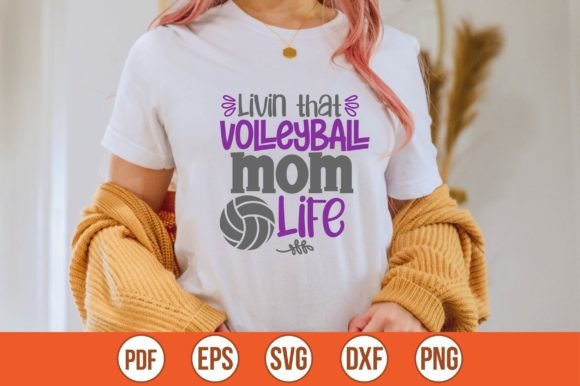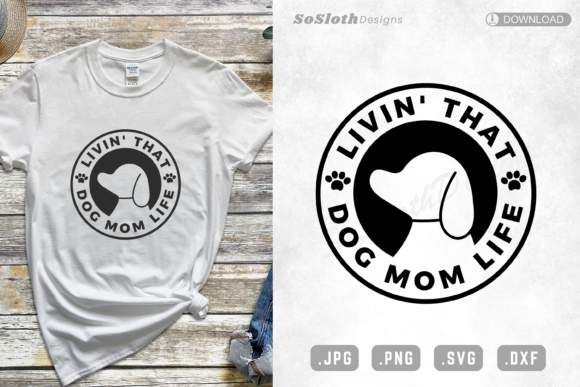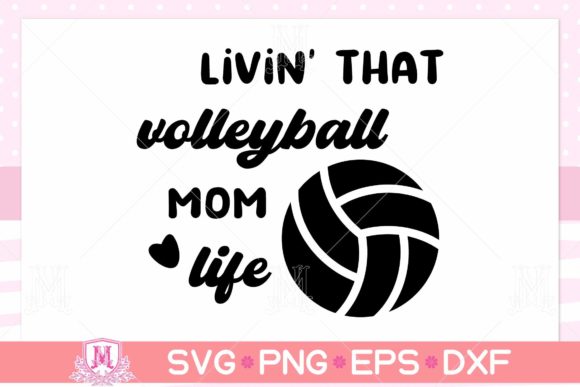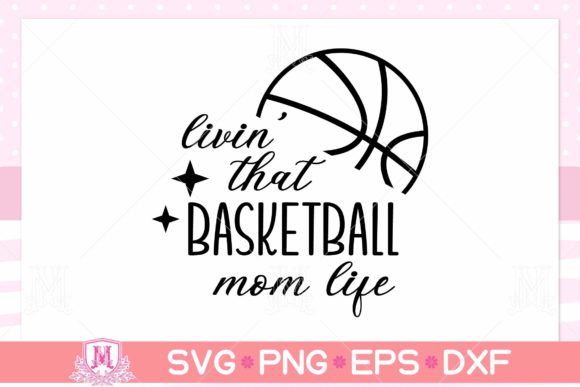
Livin That Baseball Mom Life Svg File Review
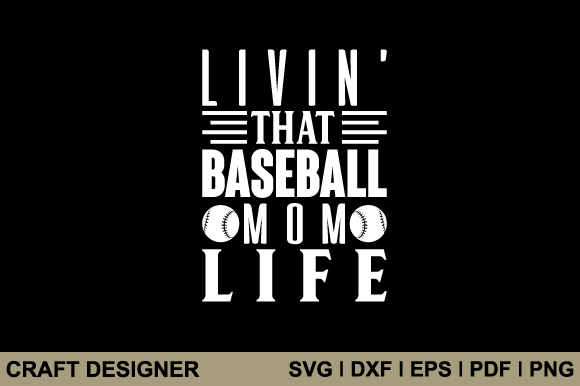
As a designer who spends more time behind an embroidery machine than a computer screen, I approach every new digital asset with a healthy dose of skepticism. When evaluating the Livin That Baseball Mom Life Svg File, my first thought isn't about how cute it looks on a monitor; it is about how those vector lines will translate into thread tension and fabric stability. This design captures a specific cultural niche perfectly, evoking the chaotic, proud, and caffeinated energy of youth sports parenting. However, moving from a graphic concept to a tangible handmade product requires understanding the structural integrity of the file before you commit to stitching.
Translating Vectors to Thread for Game Day Gear
The visual personality of this design is undeniably strong. It speaks directly to the target demographic with a layout that feels energetic yet legible. For a recent client project involving custom team mom sweatshirts, I needed a design that would hold up against fleece texture and repeated washing. The Livin That Baseball Mom Life Svg File offers clean lines that suggest it was created with crafting in mind, but as an embroidery professional, I had to assess its stitchability. Vector graphics are mathematical paths, whereas embroidery is physical layering. A line that looks crisp in SVG format can become a dense ridge of thread or a puckered mess if the stitch density isn't managed correctly during digitization.
In my test run on a mid-weight cotton sweatshirt, the design’s bold typography served as an excellent anchor. If you are planning sweatshirt embroidery or custom apparel, pay close attention to the letter spacing. Baseball-themed graphics often use athletic block fonts which are naturally friendly to satin stitch borders. However, if the original file contains intricate distressing or grunge textures common in sports aesthetics, these must be simplified for needle and thread. Complex vector shading does not equal good embroidery; it equals thread breaks and registration issues. I recommend treating this file as a high-quality template for your own digitizing software rather than assuming it is stitch-ready out of the zip folder.
Real-World Application: Tote Bags and Patches
Beyond apparel, this design shines in functional accessories. I recently prototyped a tote bag design for a local league fundraiser using this graphic. Canvas tote bags provide a stable base, but they also highlight any tension imbalances. The Livin That Baseball Mom Life Svg File worked beautifully here because the bold shapes allowed for adequate underlay without excessive bulk. For makers creating embroidered patches, this layout is ideal. The distinct silhouette allows for a clean merrowed edge or satin border, making it easy to cut out and apply to caps or jackets later.
For Etsy sellers and small business owners, versatility is profit. This graphic adapts well to various hoop sizes. I successfully scaled it down for a pocket-sized logo on a polo and up for a full-back jacket design. Just remember that scaling affects stitch count and density. When resizing for smaller items like baby onesies or sleeve cuffs, you may need to manually adjust column widths to prevent the needle from perforating the fabric like a perforated stamp. Always verify that the embroidery file maintains structural integrity at your intended size before running production.
Navigating Fabric Variables and Stabilizer Choices
Not all baseball gear is created equal, and neither are the fabrics we stitch on. Performance wear, moisture-wicking polyester, and structured caps present unique challenges for any machine embroidery design. When using the Livin That Baseball Mom Life Svg File on stretchy performance tees, the risk of distortion is high. Athletic knits move. If your digitized version lacks proper pull compensation, the letters will gap open after the garment relaxes post-hoop.
- Stretchy Fabrics: Use a heavy-duty cutaway stabilizer and consider a temporary adhesive spray to bond the fabric to the backing. Floating the fabric is risky with detailed text.
- Caps and Curved Surfaces: If adapting this for hat embroidery, ensure the design has been specifically digitized for curved surfaces. Flat designs stitched on caps often distort vertically. You may need to widen the lettering slightly to compensate for the curve.
- Dark Fabrics: Test your thread colors against dark navy or black backgrounds. White thread on dark fabric often requires extra underlay to prevent the fabric color from showing through the stitches, which adds density.
- Textured Materials: For terry cloth towels or thick fleece, use a water-soluble topping to keep the stitches from sinking into the pile. This ensures the "Baseball Mom" message remains readable and professional.
Commercial Viability and Professional Presentation
For creative entrepreneurs, the value of this asset extends beyond the stitch-out. As a digital embroidery file source, it serves as excellent raw material for printable mockups and listing photos. Customers buy with their eyes before they ever see the physical product. Using the included PNG or EPS formats to create realistic digital previews helps bridge the gap between expectation and reality. However, transparency regarding the final product is key. If you are selling the finished personalized gift or item, ensure your mockup accurately represents the stitch texture, not just the flat vector graphic.
Brand consistency matters for craft business longevity. This design carries a specific mood that should align with your shop's aesthetic. If your brand focuses on minimalist, delicate embroidery, this bold, sporty graphic might feel out of place unless styled intentionally. Conversely, for shops specializing in team spirit wear, sideline gear, or personalized sports gifts, this is a staple asset. Always confirm licensing terms before incorporating this into commercial products or reselling modified digital versions. Protecting your business means respecting intellectual property while delivering original value through your craftsmanship.
Essential Pre-Stitch Checklist for Makers
Before you load the hoop and press start, run through this practical evaluation process. It saves time, thread, and frustration.
- Extract and Inspect: Remember that you must extract the zip folder to access the SVG, DXF, EPS, PDF, and PNG files. Open the vector file in your editing software to check node count and path closure.
- Digitize with Intent: Do not rely on auto-digitizing features. Manually assign stitch types. Use running stitch for fine details and travel runs, and reserve fill stitch for larger areas only if necessary to reduce bulk.
- Test on Scrap: Never stitch a new design directly onto a customer’s garment. Use a scrap of the exact same fabric and stabilizer combination you plan to use for the final project.
- Check Contrast: View the design in black and white within your software. If the design relies solely on color contrast rather than stitch direction or texture changes, it may look flat when monochromatic.
- Verify Hoop Fit: Ensure the design fits comfortably within your machine’s maximum stitch area with room for hoop clearance. Crowding the edges leads to flagging and misalignment.
- Wash Test: If this is for a product that will face laundry day (like kids' gear or towels), wash and dry your test swatch. Embroidery often shrinks or distorts differently than the base fabric after the first wash.
The Livin That Baseball Mom Life Svg File is a fantastic starting point for capturing the spirit of the season. Its strength lies in its clear communication and adaptable layout. By approaching it with the technical rigor of an embroiderer rather than just the enthusiasm of a fan, you transform a simple download into a premium, durable product. Whether you are stitching for your own sideline sanity or building inventory for a bustling Etsy shop, let your technical precision match the passion of the design. The result will be a piece that earns trust, withstands the dugout, and celebrates the lifestyle authentically.