Mom Mode SVG Cut File: An Embroidery Designer’s Review
As a professional embroidery designer and product reviewer, I approach every new digital asset with a critical eye toward stitchability. When evaluating the Mom Mode - Svg Cut File, my first thought isn't just about how it looks on a screen, but how it will translate through the needle. While this product is marketed primarily as a graphics asset for printing on mugs and t-shirts, its clean lines and bold typography make it a compelling candidate for adaptation into a machine embroidery design. For Etsy sellers, craft business owners, and makers looking to expand their personalized gift offerings, understanding the bridge between a vector graphic and a finished embroidered product is essential for maintaining quality and customer trust.
Visual Personality and First Impressions
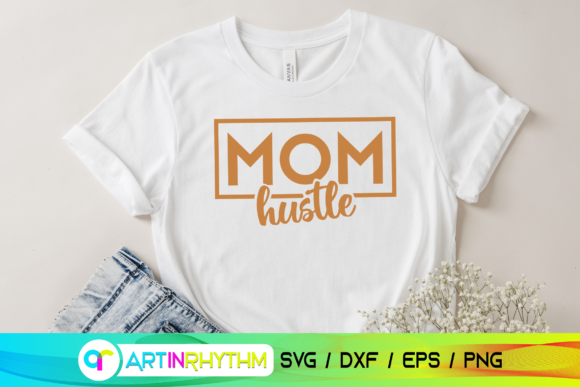
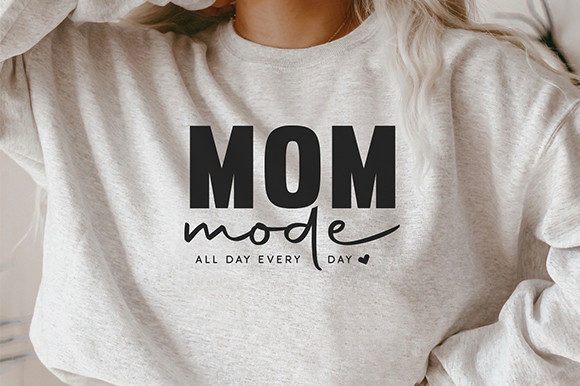
The "Mom Mode" concept carries a specific emotional weight—it implies multitasking, love, exhaustion, and pride all at once. Visually, this SVG cut file typically features bold, legible lettering that communicates instantly from a distance. From a design perspective, this clarity is excellent for embroidery. Intricate, wispy fonts often fail in stitching, but the solid shapes found in this graphic suggest strong potential for satin stitch or fill stitch applications. The mood is modern yet nostalgic, fitting perfectly into the current trend of relatable parenting merchandise. Whether you are creating custom apparel for a boutique or a handmade product for a craft fair, the visual personality here is versatile enough to appeal to new mothers, grandmothers, and working moms alike without feeling overly cutesy or generic.
Real-World Application: The Canvas Tote Bag Test
To truly evaluate this design, I mentally placed it in a real-life scenario: a heavy-duty canvas tote bag intended for daily use by a busy parent. Totes are a staple small shop product because they offer a large, flat embroidery area and high perceived value. In this context, the Mom Mode - Svg Cut File shines as a centerpiece design. Because the graphic is originally intended for print, the proportions are likely balanced for a central chest or bag placement.
However, translating this to a tote bag requires considering fabric texture. Canvas has a distinct weave that can swallow fine details. If I were digitizing this SVG for embroidery, I would avoid tiny running stitch outlines. Instead, I would utilize the bold shapes for column stitches or textured fill stitches that sit on top of the fabric grain. This ensures the "Mom Mode" text remains crisp and readable even after the bag has been washed and worn repeatedly. For an Etsy seller, this durability is what generates positive reviews and repeat buyers. A design that looks perfect in a printable mockup but frays after one wash damages brand consistency.
Navigating Fabric Challenges and Hoop Sizes
While the design is versatile, caution is required when moving beyond stable fabrics like canvas or denim. The Mom Mode - Svg Cut File may require significant modification for stretchy knits used in sweatshirt embroidery or baby clothes. Knit fabrics shift under the needle, and bold text designs can cause puckering if the stitch density is too high or the stabilizer is insufficient. When planning a baby embroidery project using this theme, I always recommend testing on scrap fabric first. The safety and comfort of the child are paramount; a dense patch of stitching on a thin onesie can be scratchy and stiff.
Hoop size is another practical constraint. This graphic likely has a horizontal aspect ratio. Before purchasing or digitizing, confirm your machine’s maximum hoop size. Resizing a complex text design down to fit a 4x4 hoop often distorts the letter spacing or makes satin stitches too narrow to anchor properly. Conversely, stretching it for a large jacket back might expose gaps in the fill stitch. Always check the dimensions of the SVG against your equipment capabilities. For cap embroidery, the curved surface adds another layer of difficulty; this design would need to be arched specifically for hats rather than simply resized, or risk looking distorted on the finished product.
From Digital Asset to Commercial Embroidery Product
For creative entrepreneurs selling digital embroidery files or finished goods, licensing and technical accuracy are non-negotiable. The product description notes this is a digital product including an SVG for Cricut and a 300dpi JPG. It does not explicitly state it includes pre-digitized embroidery formats like PES, DST, or EXP. This distinction is vital. You cannot stitch an SVG directly; it must be converted using embroidery software. If you are selling the finished embroidered item, ensure you have the commercial rights to use this graphic for physical products. If you plan to sell the digitized version as a digital embroidery file, verify that the original license permits derivative works.
Professionalism also means presenting the design accurately. Use the included 300dpi JPG to create realistic printable mockups for your listings, but always pair them with photos of actual stitched samples. Customers need to see how the thread colors interact with the fabric texture. A flat digital image cannot convey the sheen of rayon thread or the matte finish of cotton. Showing both builds buyer engagement and manages expectations regarding the final handmade product.
Designer Notes for Optimal Stitch Quality
When adapting the Mom Mode - Svg Cut File for needle and thread, keep these practical guidelines in mind to ensure a professional result:
- Test Stitch Density: Since this is a graphic conversion, default auto-digitizing settings often create bulletproof patches. Manually adjust density based on whether you are using lightweight cotton or heavy fleece.
- Stabilizer Selection: For tote bags and aprons, use a medium-weight cut-away or tear-away stabilizer. For stretchy sweatshirts or baby items, always use a fusible no-show mesh or polymesh to prevent distortion and skin irritation.
- Thread Color Contrast: Test the design in black and white before stitching. If the contrast is low in grayscale, it will be hard to read in thread. Ensure the thread color pops against the garment background.
- Detail Inspection: Zoom in on the SVG corners. Sharp digital angles sometimes need rounding in embroidery to prevent thread breaks or needle deflection.
- Licensing Verification: Re-read the terms specifically for commercial embroidery use. Protect your craft business by ensuring you aren't infringing on intellectual property when selling holiday gifts or boutique merchandise.
- Mockup Accuracy: Use the provided JPG for digital previews, but clearly label them as digital representations. Nothing replaces a photo of the actual embroidered patch or apparel for establishing trust.
Elevating Handmade Value Through Thoughtful Adaptation
The Mom Mode - Svg Cut File offers a fantastic foundation for relatable, high-demand merchandise. Its strength lies in its clear communication and emotional resonance. However, its success as an embroidery project depends entirely on the maker's willingness to respect the physics of thread and fabric. By treating this graphic as a blueprint rather than a final destination, and by applying professional digitizing standards, you can transform a simple cut file into a premium embroidered asset. Whether you are crafting a personalized gift for a friend or stocking your Etsy shop with best-sellers, the attention to detail in the adaptation process is what separates hobbyist work from professional commercial embroidery. Always prioritize the integrity of the stitch over the speed of production, and your finished products will reflect the care that defines the handmade community.