Snack Dealer Mom Life SVG: An Embroidery Review
As a professional embroidery digitizer and product reviewer, I approach every new graphic with a specific question: will this actually stitch out well, or is it just a pretty screen image? When evaluating the Snack Dealer, Mom Life SVG, my focus shifts immediately from its digital aesthetics to its structural integrity as a machine embroidery design. This graphic carries a distinct personality that resonates deeply with modern parents, but translating that humor into thread requires careful consideration of fabric, density, and end-use. In the world of Crafts and Graphics, few niches are as competitive or as rewarding as mom-centric apparel, making the technical execution of this design critical for any serious maker.
First Impressions and Design Personality
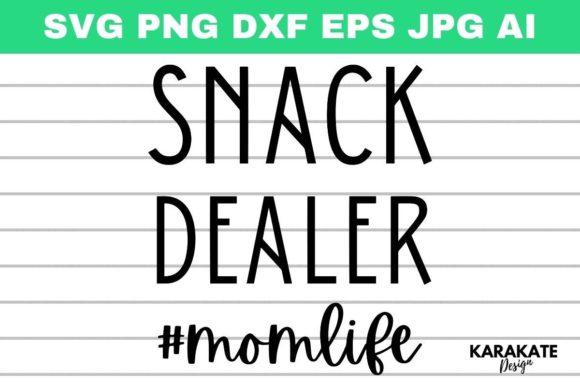
Upon opening the file package, which includes high-resolution SVG, PNG, DXF, EPS, JPG, and AI formats, the first thing I assess is the line quality. For an embroidery project, clean vectors are non-negotiable. The "Snack Dealer" concept relies heavily on typography and iconography to convey its message. Visually, the design strikes a balance between playful and relatable. It does not feel overly cluttered, which is a positive sign for digitizing. A cluttered source file often leads to excessive jump stitches or muddy details when converted to satin or fill stitches.
The mood is lighthearted yet bold. As a tote bag design or sweatshirt embroidery, it projects confidence. It is not a delicate, vintage floral; it is a statement piece. This visual weight suggests that the design will perform best when given adequate space. Trying to shrink this down for a tiny baby bib might compromise the legibility of the text elements. As a reviewer, I appreciate that the artwork has enough negative space to allow for proper stabilizer adhesion without distorting the final handmade product.
Real-World Application: The Custom Tote Bag Test
To truly evaluate this asset, I mentally placed it in a real-life production scenario: creating a custom canvas tote bag for a boutique client targeting busy mothers. Canvas is a forgiving fabric, but it demands respect regarding stitch density. If the Snack Dealer, Mom Life SVG is digitized with too much density, the needle perforations could weaken the canvas fibers or cause puckering that no amount of steaming can fix.
In this scenario, I envision using a combination of techniques. The main text, "Snack Dealer," would likely require a sturdy satin stitch column to stand out against the textured weave of the canvas. However, if the letters are particularly thick, a fill stitch with a light texture might be safer to prevent bulletproofing (where stitches become so dense they feel like plastic). The accompanying graphics would work beautifully as an applique design. Using fabric scraps for the graphical elements reduces stitch count significantly and adds a tactile, high-end dimension that customers love. This mixed-media approach elevates the item from a basic craft fair product to a premium personalized gift.
For an Etsy seller or small shop owner, this specific application demonstrates value. Customers are not just buying a bag; they are buying identity and humor. The clarity of the stitching directly correlates to perceived value. If the registration marks align perfectly and the lettering is crisp, buyer trust increases. Conversely, if the design gaps or pulls because the original vector was not optimized for textile movement, the product looks amateurish regardless of the cute sentiment.
Technical Considerations and Fabric Limitations
While the Snack Dealer, Mom Life SVG is versatile, it is not universally applicable without modification. My review highlights several areas where caution is necessary:
- Stretchy Fabrics: On ribbed knits or performance wear, this design requires significant stabilization. Because the phrase implies a solid block of visual information, any fabric distortion will be immediately obvious. A cut-away stabilizer is mandatory here, and you may need to add an underlay specifically designed for stretch fabrics to anchor the design before the top stitches lay down.
- Small Hoop Sizes: Do not force this design into a 4x4 hoop if the aspect ratio is wide. Compressing the width to fit a smaller field distorts the font geometry. If your machine only supports small hoops, verify that the vendor provides a pre-sized version or be prepared to re-digitize elements separately to maintain proportion.
- Textured Surfaces: While great for canvas, be wary of using this on terry cloth towels or minky blankets without a water-soluble topping. The detail in the "Mom Life" script could get lost in the pile. The high-resolution source files help here, allowing you to trace a thicker outline if necessary to combat the fabric texture.
- Dark Fabrics: Always test thread colors against dark backgrounds. White satin stitches on black cotton look classic, but ensure the contrast is sharp. Sometimes, adding a subtle shadow or outline stitch can make the design pop more effectively than relying solely on thread sheen.
Commercial Viability and Professional Standards
For those running a craft business or engaging in commercial embroidery, licensing and presentation are as important as stitch quality. Since this is an instant download containing multiple formats, it serves as excellent raw material for design assets. However, before listing a finished custom apparel item or selling the digital file itself, you must confirm the specific commercial license terms included with your purchase. Never assume usage rights based on file format alone.
From a marketing perspective, this design excels in printable mockups. The included high-resolution PNG and JPG files allow sellers to create realistic previews for their online listings before stitching a single sample. This is crucial for testing market demand. You can overlay the graphic on sweatshirt or mug templates to gauge customer interest. If the digital preview generates engagement, you justify the time spent digitizing and testing the physical embroidery file.
Furthermore, consistency builds brand recognition. If you sell a "Snack Dealer" tote, consider how it pairs with other items in your shop. Does the style match your existing nursery decor or holiday embroidery collections? Cohesion in your product line signals professionalism. This design’s bold, modern aesthetic fits well with current trends in personalized parenting gear, making it a strong candidate for capsule collections aimed at millennial and Gen Z parents.
Essential Designer Notes for Success
Before you load this design into your machine or list it in your store, adhere to these practical protocols:
- Test Stitch is Mandatory: Never run this design directly on a final product first. Use scrap fabric that matches the weight and weave of your intended garment. Check for registration issues, especially where text meets graphical elements.
- Verify File Compatibility: Although the description lists Cricut and Silhouette compatibility for cutting, ensure the specific embroidery format (PES, DST, EXP, etc.) you need is either included or convertible from the provided vectors. Not all e-cutter files translate automatically to embroidery machines without digitizing software.
- Analyze Stitch Density: Open the file in your embroidery software. Look for areas where three or more layers of stitches overlap. Reduce density or remove unnecessary underlays in those spots to prevent needle breaks and fabric damage.
- Check Licensing for Digital Resale: If you plan to sell the digital embroidery file rather than a physical good, double-check that the license permits redistribution or modification. Many instant downloads are for personal use or physical product sales only.
- Mockup in Black and White: Before choosing thread colors, view the design in grayscale. This reveals whether the design relies too heavily on color differentiation to be readable. A good embroidery design should have clear value contrast even without color.
The Snack Dealer, Mom Life SVG represents a fantastic opportunity for makers to connect with a specific audience through humor and utility. Its success as an embroidered patch, apron, or apparel decoration depends entirely on the user's willingness to treat it as a technical blueprint rather than just a picture. By respecting the interplay between vector art and textile physics, you transform a simple download into a high-quality, sellable asset that celebrates mom life with professional craftsmanship.