Mom Boss SVG Cutting File: An Embroidery Review
As a professional embroidery designer and product reviewer, I approach every new digital asset with a critical eye. When evaluating the Mom Boss SVG Cutting File, my first thought isn't just about how it looks on a screen, but how it will translate into thread on fabric. While this file is marketed primarily as an SVG for cutting machines, decals, and scrapbooking, its bold typography and structured layout make it a compelling candidate for adaptation into a machine embroidery design. For Etsy sellers, craft business owners, and makers focusing on Mother’s Day or year-round mom apparel, understanding the bridge between a vector graphic and a stitched reality is essential for creating a high-quality finished product.
First Impressions: Visual Weight and Stitch Potential
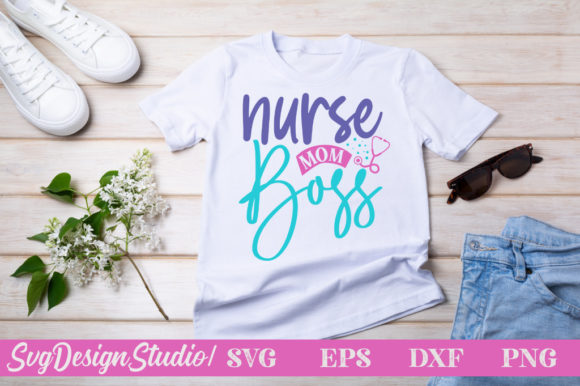
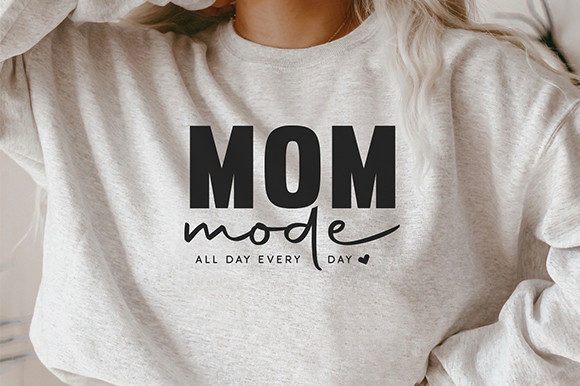
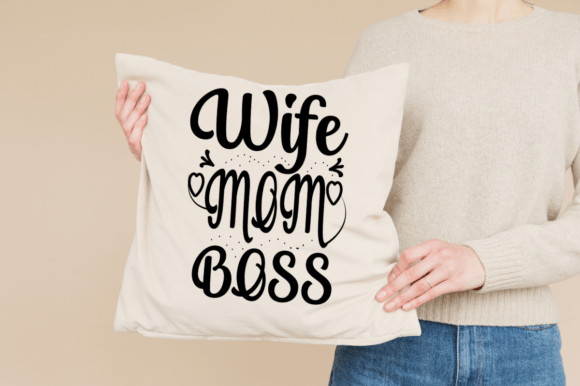
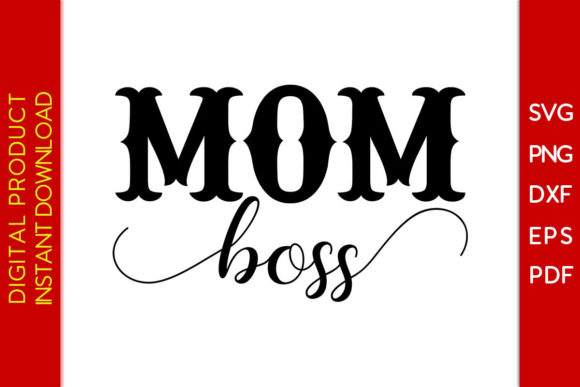
Upon opening the Mom Boss SVG Cutting File, the design immediately communicates confidence and modern femininity. The typography is typically bold and sans-serif, often accompanied by minimalist icons like briefcases, hearts, or crowns. From a graphics perspective, this is clean and scalable. However, from an embroidery perspective, these thick lines are a double-edged sword. Visually, the design has excellent "readability" from a distance, which is crucial for custom apparel and tote bag design. A customer walking through a craft fair should be able to identify the "Mom Boss" sentiment instantly.
The mood is empowering yet playful, making it versatile for various demographics. It avoids being overly cutesy, which increases its perceived value for boutique branding. However, because this is originally a digital embroidery file intended for vinyl or paper, the corners may be too sharp for needle penetration. In real-world application, I would anticipate needing to soften edges slightly during digitization to prevent thread breaks or fabric perforation. The visual personality suggests it belongs on structured items like canvas totes, denim jackets, or heavyweight sweatshirts rather than delicate silks or lightweight knits.
Real-World Application: The Custom Sweatshirt Test
To truly evaluate this asset, let’s consider a specific scenario: preparing a premium sweatshirt embroidery order for a client launching a "Mama Entrepreneur" collection. This is a common request for small shop product lines. Using the Mom Boss SVG Cutting File as the base, I envision placing the design centered on the chest or across the upper back.
In this context, the design performs best when treated as a hybrid. Because the original file is an SVG, you have the freedom to separate elements. I would recommend using a satin stitch for the outer borders of the letters to give them definition, while utilizing a fill stitch (like a tatami or bean stitch) for the interior to reduce stitch count and bulk. If the design includes iconography, consider converting those specific elements into an applique design. This not only adds texture contrast that customers love but also significantly reduces production time. A fully stitched 4-inch wide solid letter can take thousands of stitches; an applique version might take hundreds. For a commercial embroidery run, this efficiency directly impacts profit margins without sacrificing the aesthetic of the handmade product.
For personalized gift items like nursery decor or baby blankets, the design requires scaling down. Here, the "Boss" element might need to be swapped for "Baby" or removed entirely, leaving just the stylish script. The versatility of the vector source allows for this customization before digitizing, ensuring the baby embroidery remains safe (no dense backing that could irritate skin) and age-appropriate.
Navigating Fabric Limitations and Technical Constraints
While the Mom Boss SVG Cutting File is visually robust, it demands respect regarding substrate choice. Bold, blocky designs carry high stitch density. If you attempt to stitch this directly onto a thin t-shirt or stretchy ribbed knit without proper preparation, you risk puckering, tunneling, or even tearing the fabric. This design naturally wants stability.
- Textured Fabrics: On terry cloth towels or fleece blankets, fine details in the SVG will get lost. You must increase column widths and simplify internal details.
- Curved Surfaces: If adapting this for cap embroidery, the horizontal span of "Mom Boss" may exceed the curved sewing field. You may need to arch the text or stack the words vertically.
- Dark Fabrics: High contrast is key. If stitching white thread on black cotton, ensure your underlay is sufficient to prevent the dark fabric from grinning through the fill stitch.
- Small Hoop Sizes: Do not force this design into a 4x4 hoop if the natural aspect ratio is wider. Shrinking bold text leads to illegibility and thread jams. Respect the minimum size requirements for satin columns.
Always verify the licensing terms included with your purchase. Just because a file is sold as a digital product for crafts does not automatically grant permission to sell the digitized embroidery version or mass-produce finished goods. Confirm whether the license covers commercial embroidery use before listing items in your shop.
Impact on Brand Value and Customer Perception
Using a recognizable, trendy phrase like "Mom Boss" connects emotionally with buyers, but execution dictates trust. A poorly digitized version of this embroidery project—with jagged edges, loose topstitching, or excessive jump stitches—will devalue your brand. Conversely, a crisp, well-adapted version signals professionalism. When customers see clean registration and appropriate stabilizer usage, they associate that quality with your entire shop.
For Etsy seller success, presentation matters. Use the original SVG to create accurate printable mockup previews before you even stitch a sample. This allows you to test market interest and visualize colorways. However, always follow up with actual photos of the stitched item. Buyers need to see how the thread colors interact with the fabric texture. Does the gold metallic thread pop against navy? Is the matte rayon better for a vintage look? These decisions transform a generic graphic into a bespoke design asset.
Designer Notes for Successful Adaptation
Before loading the Mom Boss SVG Cutting File into your digitizing software or sending it to production, adhere to these practical checkpoints:
- Test Stitch is Non-Negotiable: Never run this on a final garment first. Test on a scrap of the exact fabric and stabilizer combination you plan to use. Check for push/pull distortion.
- Evaluate Stroke Widths: Measure the thinnest parts of the SVG. If a line is thinner than 1mm, it cannot be a satin stitch. Convert it to a running stitch or thicken it.
- Check Licensing: Re-read the product description. "Perfect for decals and card making" implies personal/craft use. Verify if commercial embroidery rights are explicitly granted or require an upgrade.
- Stabilizer Strategy: For this bold design, use a cut-away stabilizer for knits and stretch fabrics. Tear-away is rarely sufficient for dense block lettering and risks distorting the design after washing.
- Color Contrast Check: View your digitized file in grayscale. If the design disappears or lacks definition without color, your contrast is too low. Embroidery relies on light and shadow created by thread sheen, not just pigment.
- Mockup vs. Reality: Use the SVG for social media teasers and listing images, but clearly label them as digital renders until you have photographed the physical embroidered patch or garment.
The Mom Boss SVG Cutting File offers a fantastic foundation for makers looking to tap into the motherhood and entrepreneurship niche. Its strength lies in its bold simplicity, which translates well to thread when handled with technical care. By respecting the differences between vector art and needlework, and by testing thoroughly on your intended substrates, you can turn this digital graphic into a best-selling holiday embroidery item or a staple in your year-round catalog. Remember, in the world of Crafts and Graphics, the most successful products are those where artistic vision meets technical precision.